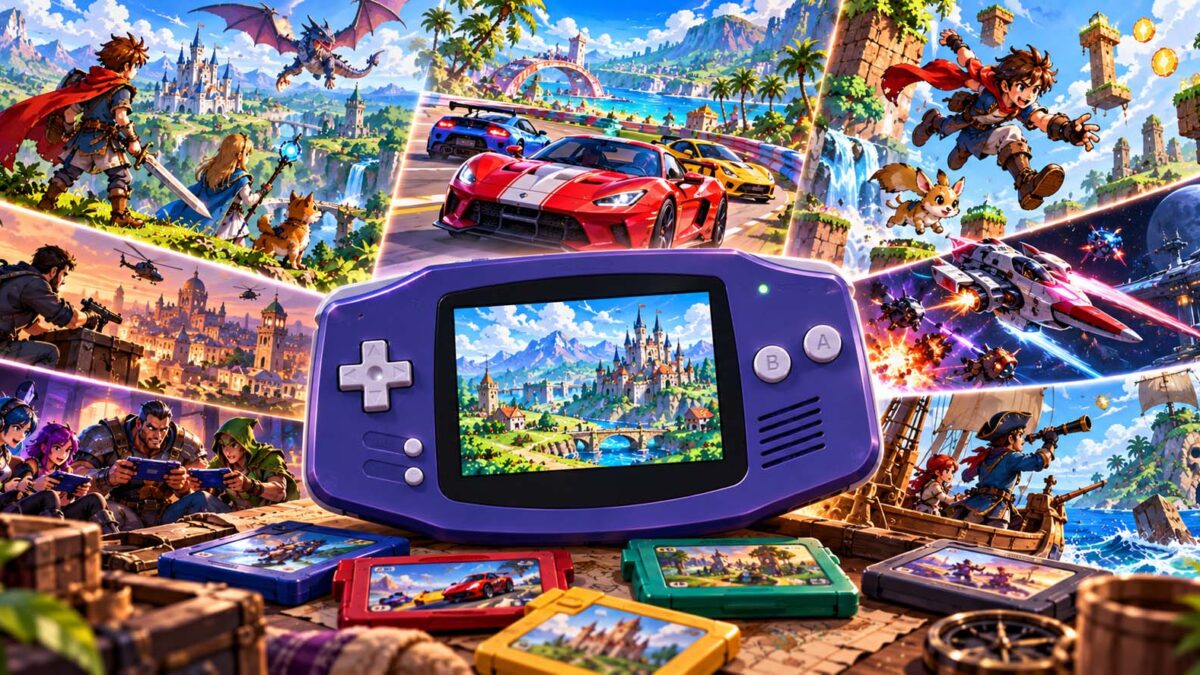
The way people play games has changed dramatically with the growth of the internet. Online games have transformed gaming from an activity that could be enjoyed mainly alone or with people nearby into a connected experience involving players from around the world.
Today, people can play games on mobile phones, computers, tablets, and consoles. They can join a quick match during a break, compete in organized tournaments, or spend hours exploring a virtual world with friends. This flexibility is one of the main reasons online games continue to attract such a super33 link audience.
The Meaning of Online Gaming
An online game is a digital game that uses an internet connection for gameplay or additional features. Some games are designed entirely around multiplayer interaction, while others combine offline gameplay with online elements.
For example, a game might allow players to compete against one another, join cooperative missions, communicate with teammates, compare scores, or download new content.
The internet has therefore changed not only how games are played but also how players interact with them.
Popular Online Gaming Genres
There is an enormous variety of online games available today.
Action Games
Action games are usually built around fast movement, challenges, and quick decision-making. Multiplayer action games can be especially exciting because opponents are controlled by real people whose decisions can change from one match to another.
Players often improve by practicing controls, learning game mechanics, and understanding how other players behave.
Strategy Games
Strategy games place greater emphasis on planning. Players may need to manage resources, build structures, select units, or make decisions that influence an entire match.
A successful strategy may require patience rather than speed. Players must often consider both their own objectives and the actions of their opponents.
Sports Games
Online sports games allow players to experience digital versions of popular sports. Football, cricket, basketball, tennis, and racing are among the many activities represented in gaming.
Multiplayer modes give sports fans an opportunity to compete against friends or other players.
Adventure and RPG Games
Adventure and role-playing games can provide large virtual environments filled with missions, characters, stories, and challenges.
Players may customize their characters, collect equipment, develop abilities, and explore different locations. Cooperative features can allow several players to progress together.
Casual Games
Not everyone wants a complex or competitive gaming experience. Casual games provide simple entertainment that can often be enjoyed in short sessions.
Puzzle, card, word, and arcade-style games are particularly suitable for players looking for something easy to pick up.
The Social Nature of Online Games
One of the defining features of online games is their ability to connect people.
Friends can form teams and play together even when they live in different cities. Players can also meet new people through communities built around particular games.
Communication can be essential in team-based games. Players may need to discuss tactics, coordinate movements, and help one another complete objectives.
However, online communication should always be approached carefully. Players should avoid giving strangers access to private information and should use blocking or reporting tools when interactions become inappropriate.
Why Players Enjoy Online Games
Online games can provide several forms of enjoyment.
For competitive players, improving skills and achieving higher rankings can be motivating. For others, the attraction may be exploration, storytelling, creativity, or cooperation.
Many games also provide a sense of progression. Players can unlock content, complete objectives, improve characters, or achieve personal milestones.
The unpredictable nature of multiplayer games adds another element. Even after playing the same game many times, different opponents and teammates can create different situations.
Gaming and Everyday Skills
Some games involve activities that require concentration, planning, and decision-making.
Strategy games can encourage players to consider consequences before acting. Puzzle games can involve logical reasoning, while multiplayer games may require communication and teamwork.
The value of these experiences depends on the type of game and how it is played. Gaming should complement, rather than replace, real-world learning and activities.
Finding a Healthy Balance
Online gaming is enjoyable, but too much screen time can become a problem. Players who spend excessive hours gaming may have less time for sleep, exercise, work, education, family, and other interests.
A simple schedule can help. Setting a reasonable gaming period, taking breaks, and completing important responsibilities first can make gaming easier to manage.
Physical movement is also important. Players who spend long periods sitting should regularly stand up, stretch, and move around.
The Technology Behind Modern Games
Advances in technology have made online games more sophisticated. Modern internet connections support faster communication between players and game servers, reducing delays in many gaming environments.
Graphics technology has also improved significantly. Developers can create detailed worlds, realistic environments, and complex animations.
Cloud gaming may further change access to games by allowing some titles to be processed remotely rather than requiring powerful hardware at home.
Artificial intelligence, meanwhile, is being used in various areas of game development and may contribute to more dynamic characters and personalized experiences.
The Future of Online Games
Online gaming is likely to become even more connected in the coming years. Cross-platform play can bring players together across different devices, while improved accessibility features can make games easier for more people to enjoy.
Virtual reality and augmented reality may also introduce new ways to experience multiplayer environments.
At the same time, online communities will remain important. Competitive events, livestreams, gaming content, and player communities have created an ecosystem that extends far beyond simply playing a game.
Conclusion
Online games have become a major part of modern entertainment by combining technology, competition, creativity, and social interaction. Their wide range of genres means that players can choose experiences that match their interests and available time.
From casual mobile games to large multiplayer adventures, online gaming offers something for many different types of players.
With responsible habits, good online safety practices, and a healthy balance between screen time and everyday life, online games can remain an enjoyable way to relax, compete, and connect with others.