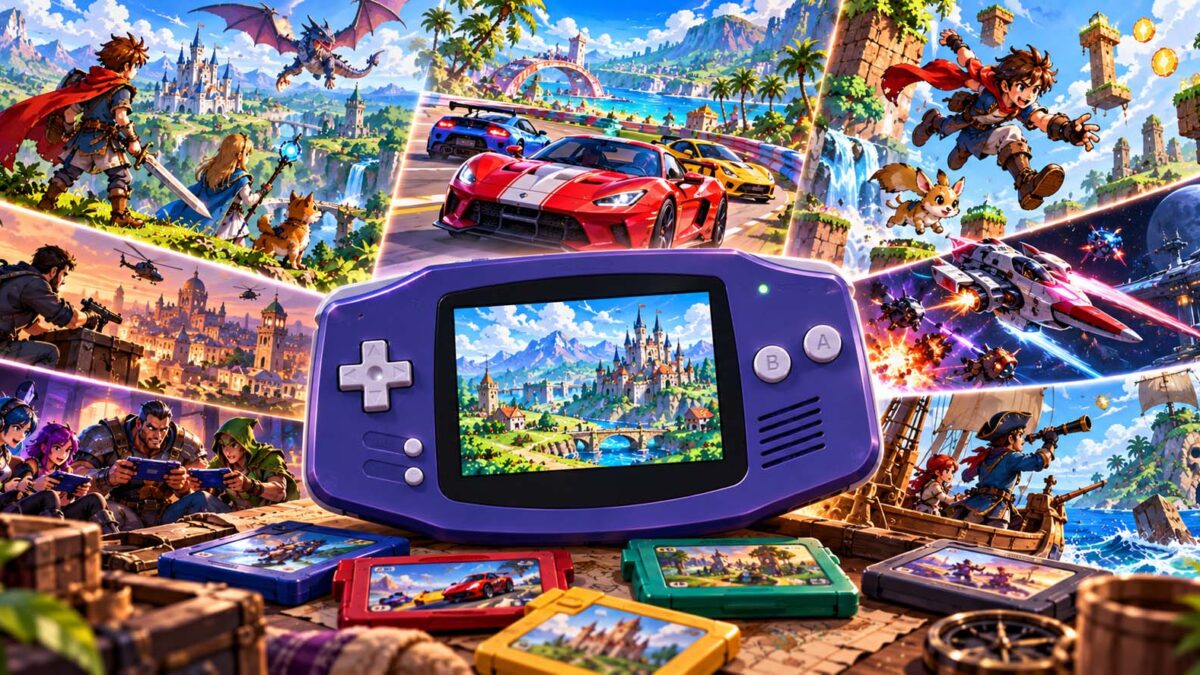
Entertainment is one of the most powerful forces shaping human experience. It influences emotions, connects societies, and provides an escape from the pressures of 오피사이트. From ancient storytelling traditions to today’s digital streaming platforms, entertainment has continuously evolved, adapting to technology, culture, and human creativity. In the modern world, it is not just a source of enjoyment but also a massive global industry that impacts economics, communication, and lifestyle.
The Meaning of Entertainment
Entertainment refers to any activity, performance, or medium designed to hold attention and provide enjoyment or amusement. It can be passive, such as watching a movie, or active, such as playing a sport or video game. The core purpose of entertainment is to engage the human mind, evoke emotions, and offer relaxation.
Historically, entertainment was simple and community-based—folk music, storytelling, dance, and theater. Today, it has expanded into a multi-billion-dollar global industry that includes film, television, gaming, social media, music, and live events.
Evolution of Entertainment
1. Ancient and Traditional Entertainment
In early civilizations, entertainment was deeply connected to culture and religion. People gathered for:
- Storytelling around fires
- Traditional dances and music
- Religious festivals and rituals
- Theatrical performances in ancient Greece and Rome
These activities were not just for fun but also served educational and social purposes.
2. The Rise of Print and Theater
With the invention of printing and structured theater, entertainment became more organized. Literature, poetry, and plays allowed stories to reach larger audiences. Shakespearean drama, for example, played a major role in shaping modern storytelling.
3. Film and Television Era
The 20th century introduced cinema and television, revolutionizing entertainment forever. Movies brought visual storytelling to life, while television made entertainment accessible at home. This era created global celebrities and transformed entertainment into a mass industry.
4. Digital and Internet Age
Today, entertainment is dominated by digital platforms:
- Streaming services like Netflix and YouTube
- Social media platforms such as Instagram and TikTok
- Online gaming and esports
- Podcasts and digital music platforms
The internet has made entertainment instant, personalized, and globally accessible.
Types of Entertainment in the Modern World
1. Film and Cinema
Movies remain one of the most influential forms of entertainment. They combine storytelling, visuals, music, and acting to create immersive experiences. Hollywood, Bollywood, and other film industries produce content for diverse audiences worldwide.
2. Music
Music is a universal language of emotion. It can inspire, heal, and energize people. With streaming platforms like Spotify and Apple Music, listeners can access millions of songs instantly.
3. Television and Streaming
Television has evolved from traditional broadcast channels to on-demand streaming services. Series, documentaries, and reality shows dominate modern viewing habits.
4. Video Games and Esports
Gaming has become a leading entertainment industry, especially among younger audiences. Competitive esports tournaments now attract millions of viewers and offer large prize pools.
5. Social Media Entertainment
Short-form content, memes, live streams, and influencer videos have turned social media into a primary entertainment source. Platforms like TikTok and Instagram have changed how people consume content daily.
6. Live Events
Concerts, sports events, theater performances, and festivals provide real-world entertainment experiences that connect audiences physically and emotionally.
The Role of Technology in Entertainment
Technology is the backbone of modern entertainment. Innovations such as artificial intelligence, virtual reality (VR), and augmented reality (AR) are transforming user experiences.
- Streaming algorithms personalize recommendations.
- VR gaming creates immersive environments.
- AI-generated content is reshaping music, video, and art production.
- High-speed internet ensures seamless global access.
Without technology, modern entertainment would not exist in its current form.
Impact of Entertainment on Society
Entertainment plays a significant role in shaping culture and behavior. Its impact can be both positive and negative:
Positive Effects
- Reduces stress and improves mental health
- Encourages creativity and imagination
- Promotes cultural exchange
- Provides educational content through documentaries and films
Negative Effects
- Excessive consumption can lead to addiction
- Misinformation on social media
- Reduced physical activity due to screen time
- Influence of unrealistic lifestyles
Balanced consumption is essential for a healthy lifestyle.
The Business of Entertainment
Entertainment is also one of the largest global industries. It generates billions of dollars annually through:
- Film production
- Music sales and streaming
- Advertising revenue
- Gaming industry
- Live performances and events
Major companies invest heavily in content creation, marketing, and distribution, making entertainment a key driver of the global economy.
Future of Entertainment
The future of entertainment is expected to be more immersive, interactive, and personalized. Trends include:
- Fully immersive VR worlds
- AI-generated movies and music
- Interactive storytelling experiences
- Metaverse-based social entertainment
- Hyper-personalized content feeds
As technology continues to evolve, entertainment will become even more integrated into daily life.
Conclusion
Entertainment is no longer just a way to pass time—it is a global culture, a powerful industry, and a key part of human identity. It reflects society’s creativity, emotions, and technological progress. From ancient storytelling to futuristic virtual worlds, entertainment continues to evolve, shaping how people think, feel, and connect with one another.